

Essential Tips for Long-Term Shed Care: Shed Maintenance Strategies You Can Trust
When you invest in a shed, you want it to last for years, right? I’ve learned that keeping a shed in great shape isn’t just about fixing problems when they pop up. It’s about regular care and smart maintenance. Over time, this approach saves you money and keeps your shed looking sharp and functioning well. Let’s dive into some practical shed maintenance strategies that will help you protect your investment.
Shed Maintenance Strategies That Work
First things first, let’s talk about the basics. A shed faces a lot of challenges from weather, pests, and wear and tear. Here are some key strategies I follow to keep my shed in top condition:
Regular Cleaning: Dirt, leaves, and debris can trap moisture and cause damage. I sweep the roof and clear gutters every few months.
Inspect for Damage: Look for cracks, loose boards, or rusted nails. Catching these early prevents bigger problems.
Seal and Paint: A good coat of paint or sealant protects wood from moisture and UV rays. I usually repaint every 3-5 years.
Ventilation: Proper airflow inside the shed prevents mold and mildew. Make sure vents are clear and working.
Pest Control: Check for signs of insects or rodents. I use natural deterrents and seal any gaps.
These simple steps form the foundation of shed care. They might seem small, but they add up to a big difference over time.

How to Keep the Bottom of a Shed from Rotting?
One of the trickiest parts of shed maintenance is protecting the base. The bottom of your shed is in constant contact with the ground, which means it’s vulnerable to moisture and rot. Here’s what I do to keep it solid:
Elevate the Shed: Use concrete blocks, gravel, or pressure-treated wood as a foundation. This keeps the shed off the damp ground.
Good Drainage: Make sure water flows away from the shed. I slope the ground slightly and add gravel around the base.
Use Treated Lumber: For the shed floor and bottom frame, pressure-treated wood resists rot better than untreated wood.
Apply Water Sealant: I coat the bottom edges with a water-resistant sealant to add an extra layer of protection.
Regular Inspections: Every few months, I check the base for soft spots or discoloration. Early detection means easier repairs.
By focusing on the bottom of the shed, you prevent one of the most common and costly issues. It’s a small effort that pays off big.
Seasonal Shed Maintenance Tips
Different seasons bring different challenges. Here’s how I adjust my shed care throughout the year:
Spring: Clean out debris, check for winter damage, and repaint if needed. Spring is also a good time to check the roof for leaks.
Summer: Keep the shed ventilated to avoid heat buildup. Trim back any plants or bushes touching the shed to prevent moisture buildup.
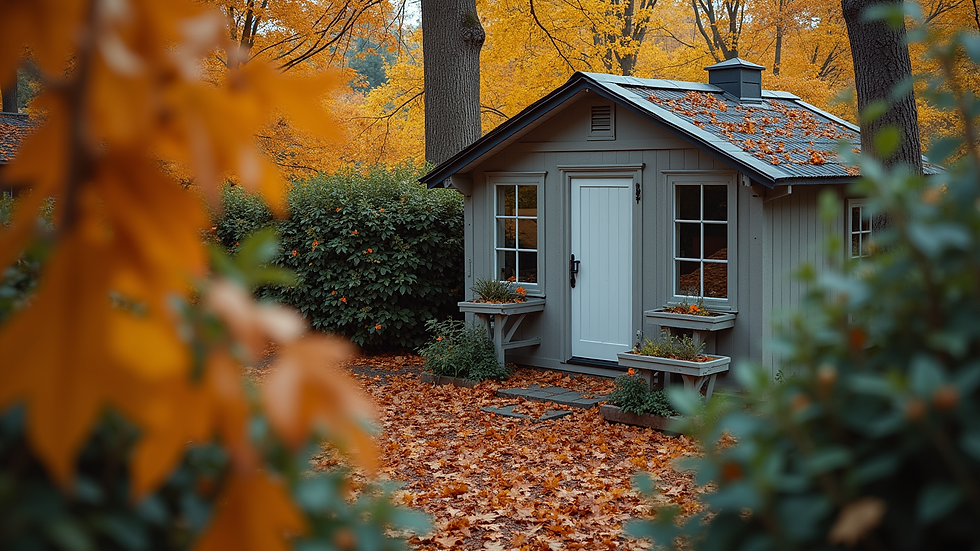
Fall: Clear leaves and clean gutters before winter. Inspect the foundation and add extra gravel if needed.
Winter: Remove snow buildup from the roof to prevent collapse. Check for ice dams and keep the area around the shed clear.
Following a seasonal routine helps me stay ahead of problems and keeps the shed ready for whatever the weather throws at it.
Tools and Supplies Every Shed Owner Should Have
Having the right tools on hand makes shed maintenance easier and faster. Here’s my go-to list:
Hammer and nails (galvanized to resist rust)
Screwdriver and screws
Paintbrushes and exterior paint or sealant
Caulk and caulking gun for sealing gaps
Wire brush for cleaning rust or dirt
Ladder for roof access
Garden rake and broom for clearing debris
Moisture meter (optional but helpful for checking wood dampness)
Keeping these tools nearby means I can tackle small repairs before they turn into big headaches.
Why Custom-Built Sheds Make Maintenance Easier
I’ve noticed that custom-built sheds, like those from local builders, often hold up better over time. Here’s why:
Quality Materials: Custom sheds usually use better wood and hardware.
Tailored Design: They’re built to fit your space and needs, which means fewer awkward spots where water or pests can sneak in.
Better Construction: Skilled builders pay attention to details like ventilation, foundation, and weatherproofing.
Easier Repairs: When you know how your shed was built, it’s simpler to maintain and fix.
If you’re thinking about a new shed, investing in a custom build can save you time and money on maintenance down the road.
Final Thoughts on Keeping Your Shed in Great Shape
Taking care of your shed doesn’t have to be overwhelming. With a little regular attention and the right strategies, you can enjoy your shed for many years. Remember, the key is consistency - a quick check every few months can prevent costly repairs later.
If you want to learn more about long term shed care, there are plenty of resources and experts ready to help. Your shed is more than just storage - it’s a part of your home, and it deserves the best care you can give.
Happy shed maintaining!


Comments